
Clearing a loved one's house is one of the hardest parts of dealing with an estate. It's emotional, physically demanding, and often complicated by legal requirements you weren't expecting. Having handled probate clearances across Huntingdonshire — most recently a full property clearance in Wyton — I've seen first-hand how overwhelming it can be when you're doing it alone.
This guide walks you through the process step by step, so you know what to expect and where to start.
Before You Start: What You Need to Know
The first question most executors ask is: "Do I need grant of probate before I can clear the house?"
The short answer is no — you don't need to wait. You can begin securing the property and sorting contents immediately. What you can't do without probate is sell the property or dispose of valuable assets that form part of the estate. But sorting, organising, and clearing everyday items? That can start straight away.
Here are a few things to take care of before the physical clearance begins:
- Secure the property. Change the locks if needed. Make sure insurance is in place — many home insurance policies lapse after death, so check with the provider.
- Notify utilities. Gas, electric, water, council tax, TV licence. You'll want to keep services running while the property is being cleared, but you need the accounts transferred to the estate.
- Redirect post. Royal Mail redirections can be set up online and will catch anything important still arriving at the address.
- Give the family time. Before any clearance, make sure all family members have had the chance to collect personal items, photographs, and anything of sentimental value. Rushing this causes regret.

Step by Step: How to Clear the House
Whether you're doing it yourself or bringing in professionals, the process follows the same broad steps:
- Walk the property and take stock Before touching anything, walk every room with a notepad or your phone camera. Document the contents. Note anything that looks valuable, anything that needs specialist disposal (chemicals, paint, gas bottles), and anything the family has asked to keep. This walkthrough saves enormous time later.
- Separate documents and valuables Gather all paperwork into one place: wills, deeds, bank statements, insurance documents, tax records, pension letters. Check drawers, filing cabinets, bedside tables, coat pockets, and books (people often tuck cash and documents inside books). Set aside jewellery, watches, coins, and anything that could have financial value.
- Sort into categories Work room by room, sorting items into: keep (for family), sell or donate, recycle, and dispose. Don't try to do the entire house at once — it's exhausting and leads to mistakes. One room at a time is the sustainable approach.
- Handle specialist items Certain items need particular attention. Fridges and freezers need degassing before disposal. Mattresses can't go in a skip. Paint, chemicals, and medication need to go to the appropriate council facility. If there's any suspicion of asbestos (common in older properties), stop and get professional advice.
- Clear and clean Once everything is sorted and removed, give the property a thorough clean. If the house is being sold, this is the stage where it needs to look presentable for viewings or valuations.
From a recent job: During a probate clearance in Wyton last week, the executor had assumed everything in the garage was rubbish. During our Treasure Hunt, we found a set of vintage tools, a working record player, and a box of first-edition books. Items like these have real value — and under our programme, 30% of the resale profit goes back to the estate.
What Not to Throw Away
This is where people make costly mistakes. In the rush to get the house cleared, it's easy to bin things that matter. Here's what you should never discard without checking first:
- Legal documents — Wills, property deeds, share certificates, insurance policies. Even if you have copies, originals may be needed for probate.
- Financial records — Bank statements, tax returns, pension correspondence. HMRC may require records going back several years.
- Items of hidden value — Antiques, vintage clothing, old tools, vinyl records, military memorabilia, coins, stamps. What looks like clutter can be worth hundreds. Our Treasure Hunt programme exists precisely for this reason.
- Photographs and letters — Even if no family member wants them now, they may in five years. Store them rather than skip them.
- Keys — Label every key you find. You may not know what they open yet, but they could be for safe deposit boxes, storage units, or padlocks on outbuildings.
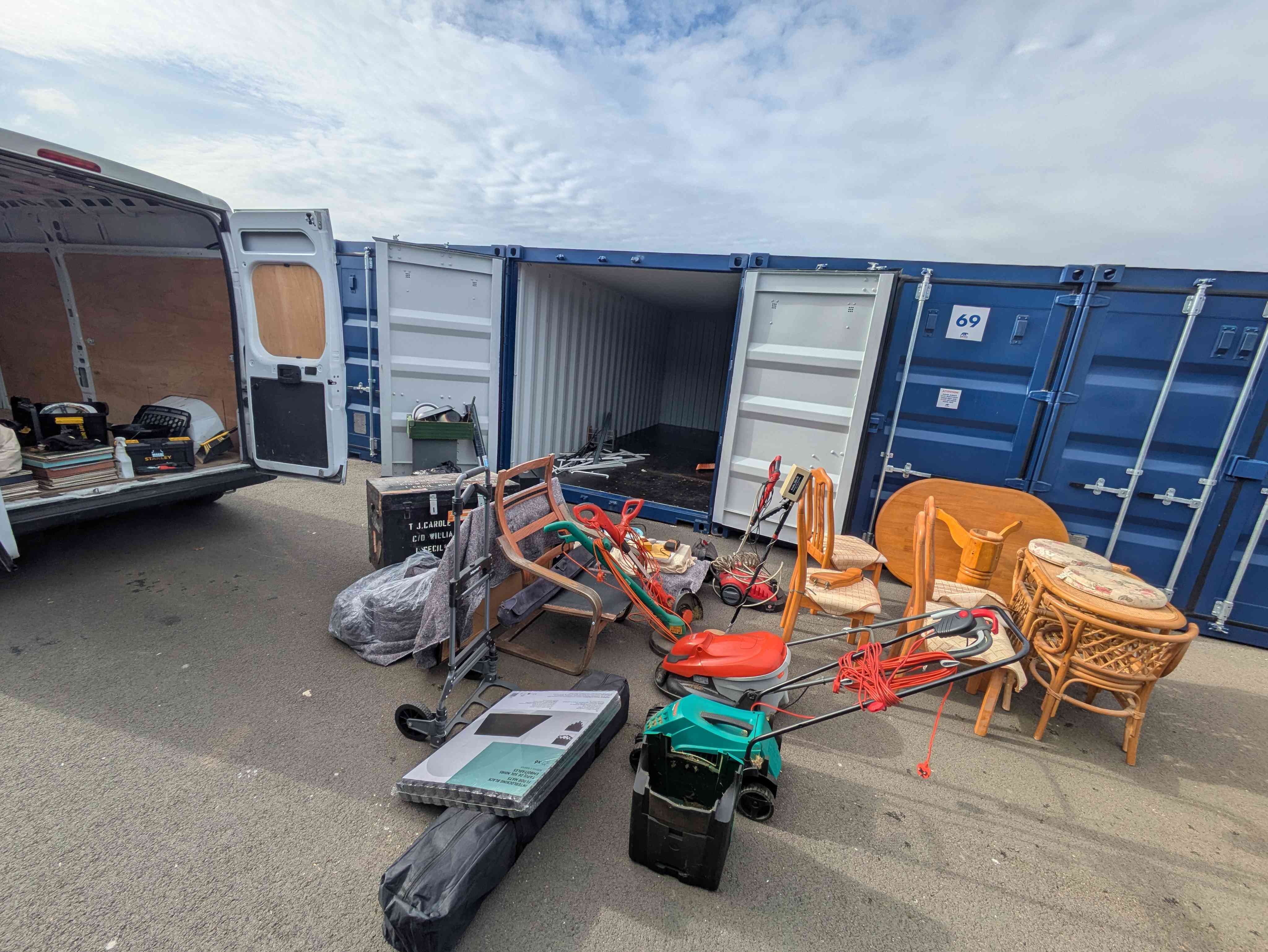
Doing It Yourself vs Hiring a Professional
You can clear a house yourself. Many executors do, especially for smaller properties. But there are good reasons to consider professional help:
- Time. A full house clearance takes most people 2-4 weekends. A professional team can complete it in 1-2 days.
- Physical demand. Furniture, appliances, and decades of accumulated possessions are heavy. Loft access, narrow stairs, and awkward layouts make it harder.
- Legal compliance. You need a registered waste carrier to transport and dispose of waste legally. Fly-tipping fines can be issued to the person who hired an unlicensed carrier, not just the carrier themselves.
- Emotional distance. This is harder to quantify, but many executors tell us that having someone else handle the physical clearance — while they focus on the legal and emotional side — makes the whole process more bearable.
At Hunt 'n' Haul, we handle probate clearances regularly. We work with executors, solicitors, and families to make the process as straightforward as possible. We're licensed with the Environment Agency (CBDU618952), DBS checked, and fully insured.
Many executors tell us that having someone else handle the physical clearance — while they focus on the legal and emotional side — makes the whole process more bearable.
How Much Does Probate Clearance Cost?
Our pricing guide covers the full breakdown, but here's a quick summary:
- Half-Load Haul — from £375 (most jobs £375–£600). Half a van load. Suitable for single-room clearances or small properties with minimal contents.
- Full-Load Forage — from £625 (most jobs £625–£1,200). Full van load or more. Covers most standard house clearances.
- Estate & Probate — from £1,250 (most jobs £1,500–£3,000+). Multiple loads. Full property, multi-day. For larger properties, heavily furnished homes, or clearances requiring multiple visits.
All prices include labour, transport, and responsible disposal. And every job includes our Treasure Hunt programme — if we find items with resale value, we sell them and return 30% of the profit to the estate.
Common Questions From Executors
Do I need grant of probate before clearing?
No. You can secure the property, remove perishables, and sort personal items immediately. You should wait for probate before selling valuable assets, but the physical clearance can begin at any time.
How long does it take?
The physical clearance typically takes 1-3 days depending on property size. The wider process — from bereavement to completed clearance — usually runs 4-12 weeks, allowing time for family, probate, and scheduling.
What should I definitely not throw away?
Legal documents, financial records, items of potential value (antiques, jewellery, collectibles, vintage items), sentimental items the family hasn't reviewed, and anything relevant to probate. When in doubt, set it aside.
Read next: How we handle probate clearances at Hunt 'n' Haul
— Michael
Founder, Hunt 'n' Haul